
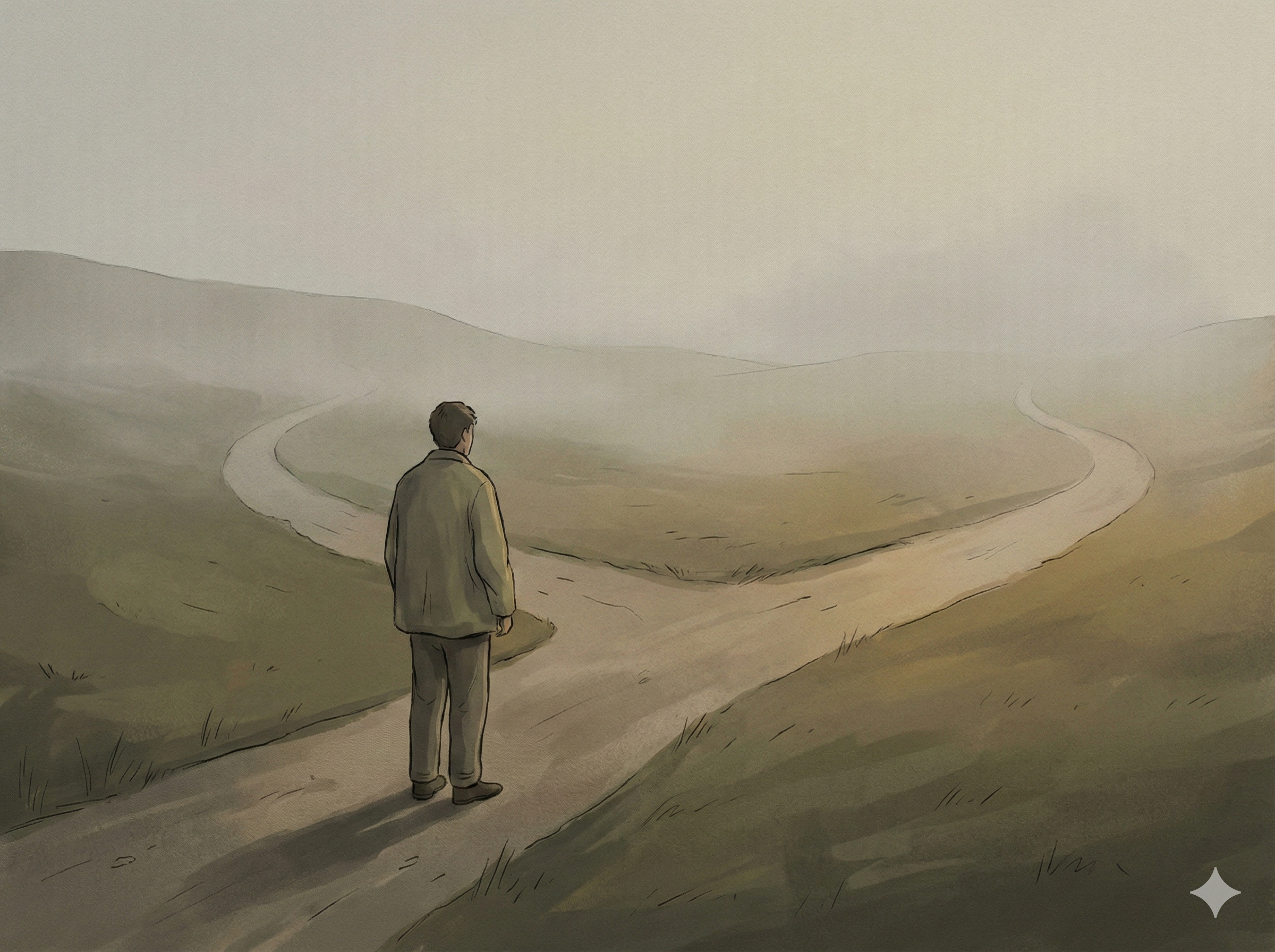
I used to think AI would finally make decision-making simple. You know the promise: faster answers, clearer plans, fewer mistakes. Just type the problem in and get the solution out. In theory, it sounded like the ultimate shortcut for anyone feeling overwhelmed.
But after using it consistently for a while, I realized something uncomfortable. AI didn’t actually remove the hard decisions; it just made it painfully obvious when I was trying to dodge them.
The illusion of "clarity"
Most of my decisions don’t actually fail because I’m missing information. They fail because of trade-offs.
When I’d ask an AI things like, “What’s the best approach here?” or “Which option is smarter?” I’d usually get a clean, reasonable response. It would give me pros and cons in a perfectly balanced tone. It was sensible advice.
And yet, I’d still feel stuck.
Not because the advice was wrong—but because the AI was carefully avoiding the one thing I actually needed: a choice. AI is brilliant at explaining options, but it’s completely incapable of wanting one.
Decisions require ownership, not just intelligence
What I’ve slowly realized is that decisions aren’t actually intellectual problems—they’re emotional commitments.
Choosing one path means saying no to three others. It means accepting the risk of future regret. It means being the one responsible if it all goes south.
That discomfort is exactly what I was hoping the AI would save me from.
But AI can’t take responsibility. It can’t feel the weight of being wrong. So instead, it gives you optionality disguised as clarity—a plan that looks solid but has no spine. And a spine only exists when a human is willing to stand behind the outcome.
Why AI advice feels "right" but useless
AI is trained to be plausible and neutral. That’s great for explaining concepts. It’s terrible for taking action.
Real-world decisions are lopsided. One downside might matter more to you than every upside combined—and only you can feel that weight.
When I relied on AI too early, I ended up with perfectly balanced plans that didn’t move me forward an inch. I hadn’t actually chosen anything. I had just organized my indecision into bullet points.
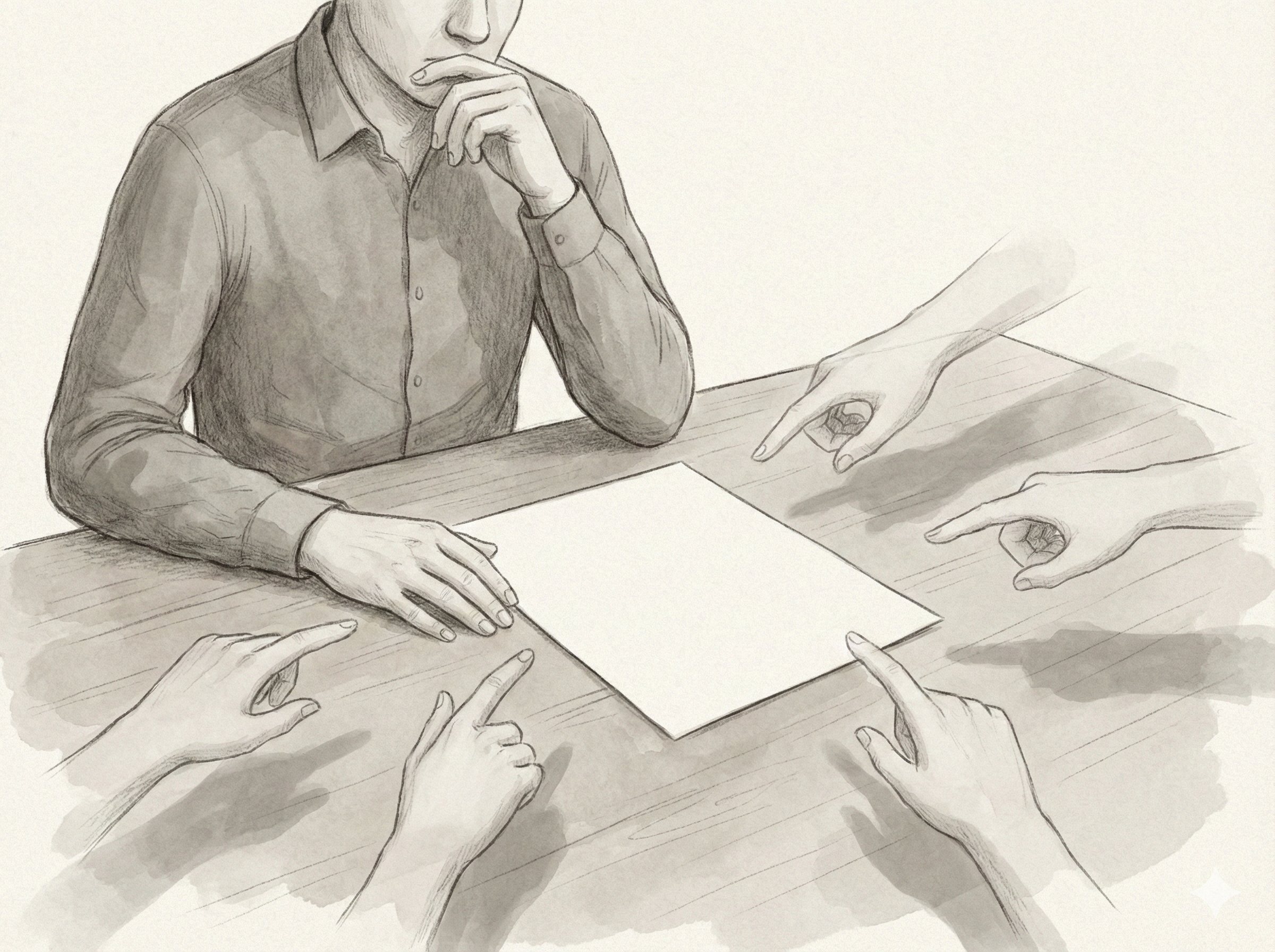
Flipping the script
The shift happened when I stopped asking, “What should I do?” and started saying:
“Here’s what I’m leaning toward. Tell me what I’m underestimating.”
That single change flipped the role of the AI completely.
Instead of trying to replace my judgment, it started sharpening it. It helped me see risks I was ignoring without pretending to make the choice for me. AI became useful the moment I stopped asking it to carry the weight.
I still try to dodge sometimes
I’d be lying if I said I don’t still catch myself hoping the AI will give me permission to choose a certain path—a justification I can point to if things fail.
But I’m getting faster at noticing it. If I find myself asking the same question five different ways, I know I’m not looking for information anymore. I’m avoiding ownership.
Final Thought
AI doesn’t make decisions easier; it just removes the excuses.
Once information becomes cheap and instant, the only thing left is judgment. AI won’t decide for you—but it will make it painfully clear when you haven’t decided for yourself yet.
I’m still learning how to sit with that reality.