
AI Didn’t Make Work Easier—It Made Decisions Louder
AI didn’t remove effort from work—it removed the delay that used to hide weak judgment. What’s left is clarity, responsibility, and ownership.
Read ArticleAI didn’t remove effort from work—it removed the delay that used to hide weak judgment. What’s left is clarity, responsibility, and ownership.
Read Article
AI is great at continuing work, but terrible at finishing it. The hardest part isn’t starting anymore—it’s knowing when enough is enough.
AI makes execution faster, but instead of relief, it exposes the real difficulty of the work: judgment, direction, and responsibility.

AI is incredibly fluent, and that fluency can trick your brain into thinking understanding has happened. The confidence feels real—until you try to use it.
AI doesn’t generate insight for you. It simply reflects the quality of thinking you bring into it—making shallow ideas obvious and strong ideas sharper.
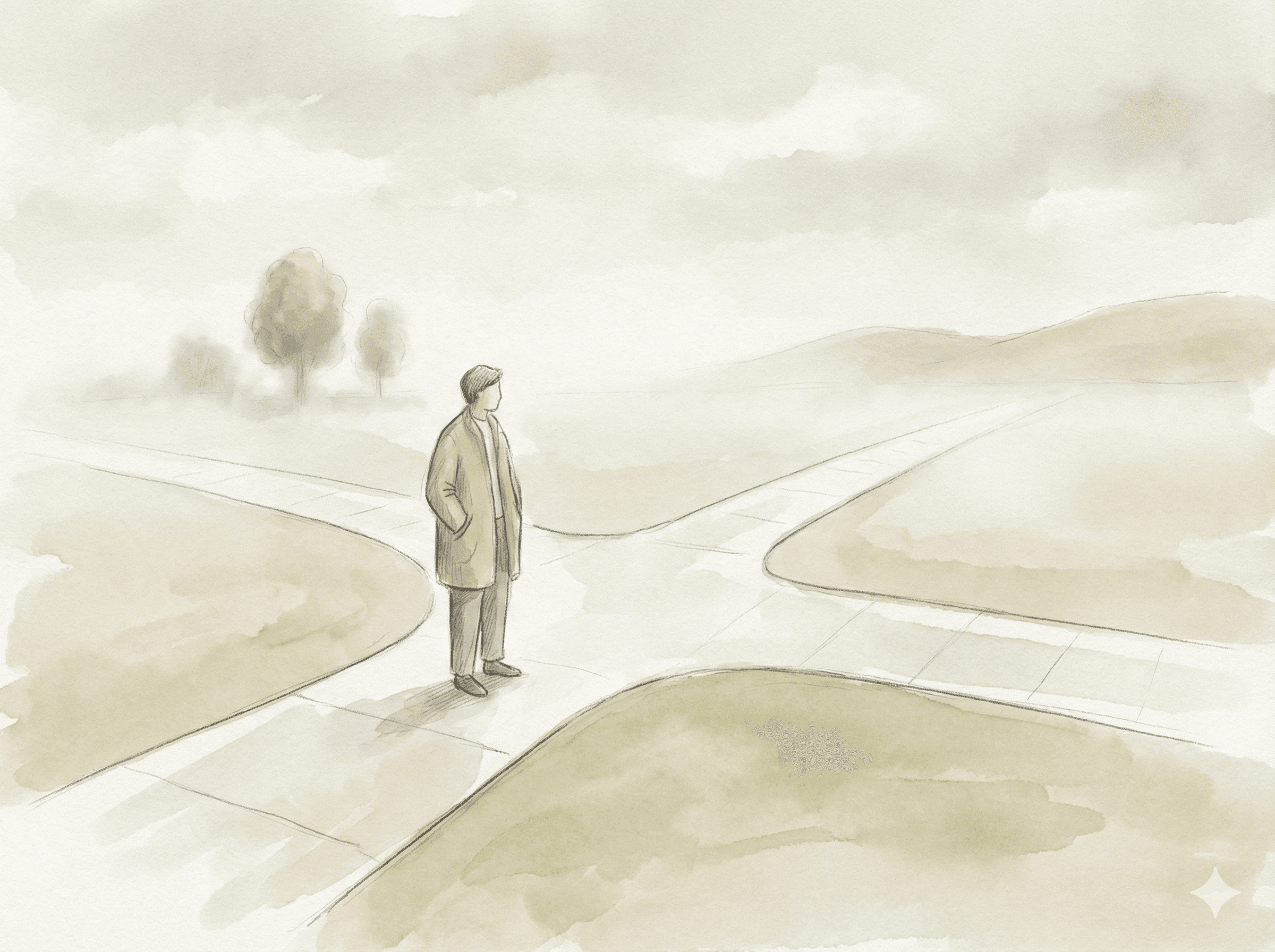
AI doesn’t fail randomly. When results feel shallow or inconsistent, it’s usually exposing the absence of clear thinking before the prompt was ever written.
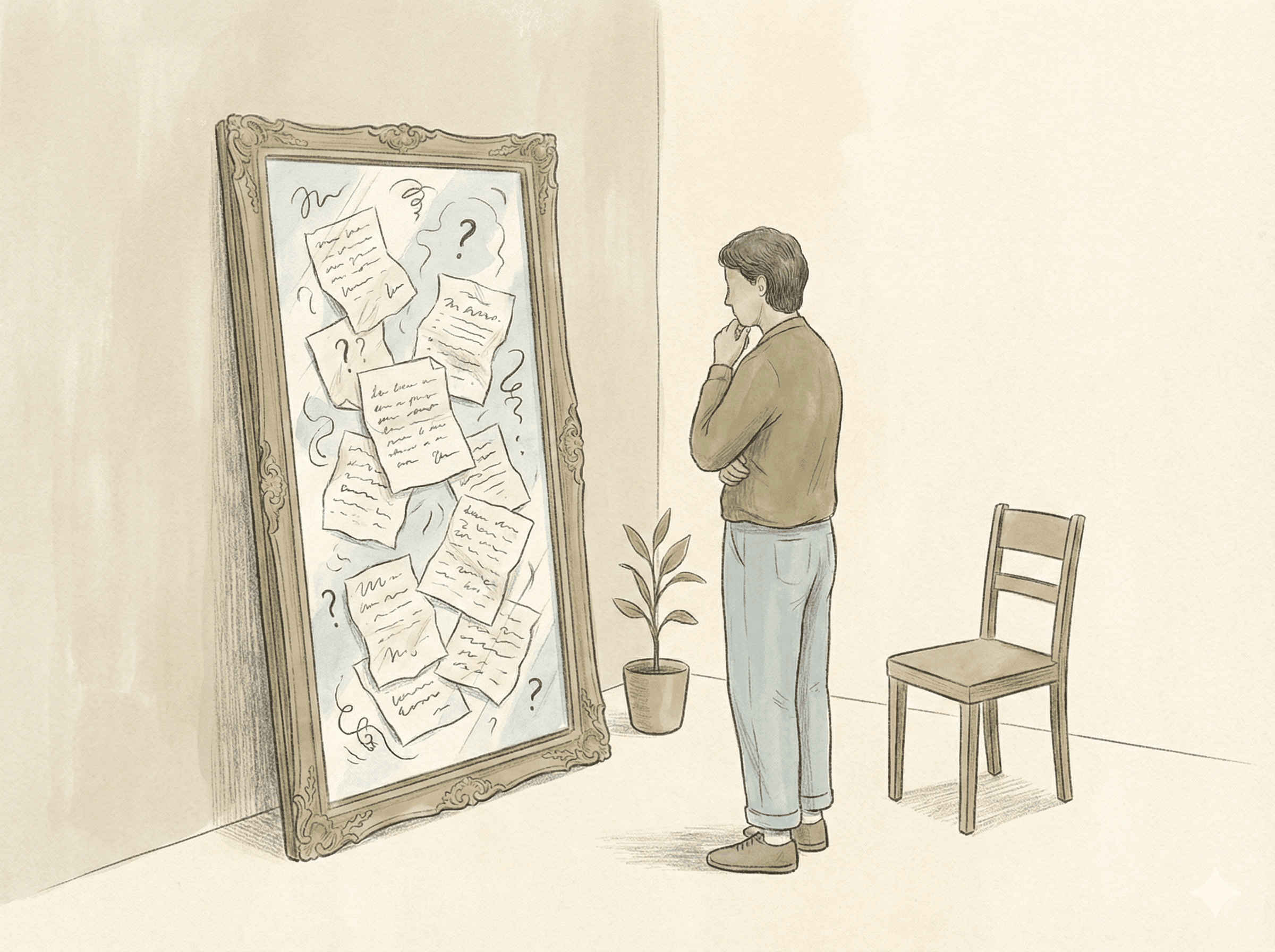
AI doesn’t improve your thinking first—it exposes it. Speed removes the camouflage and forces clarity before leverage.
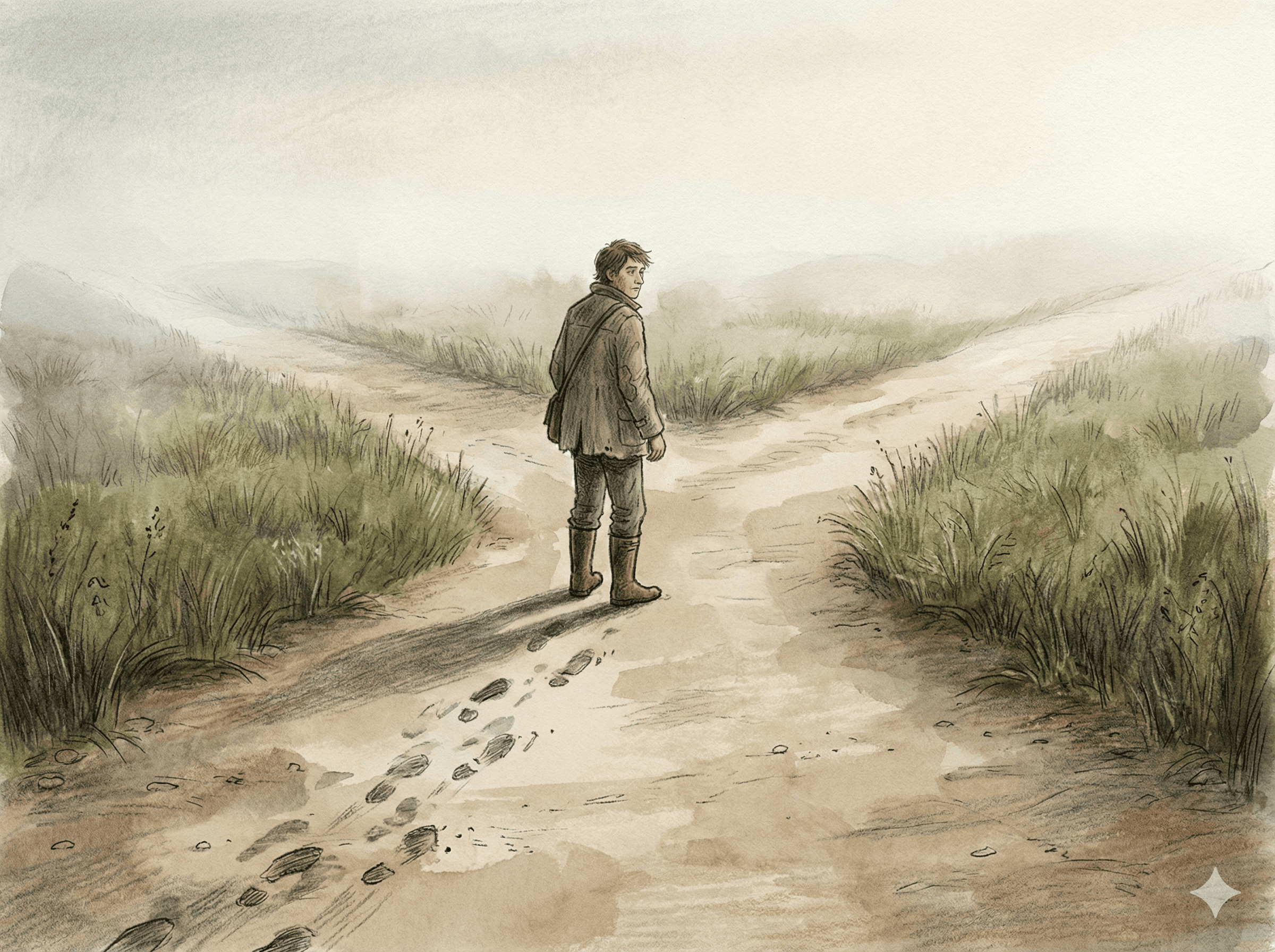
AI excels at making things faster and cleaner—but when optimization comes before direction, it can slowly pull you away from what actually matters.
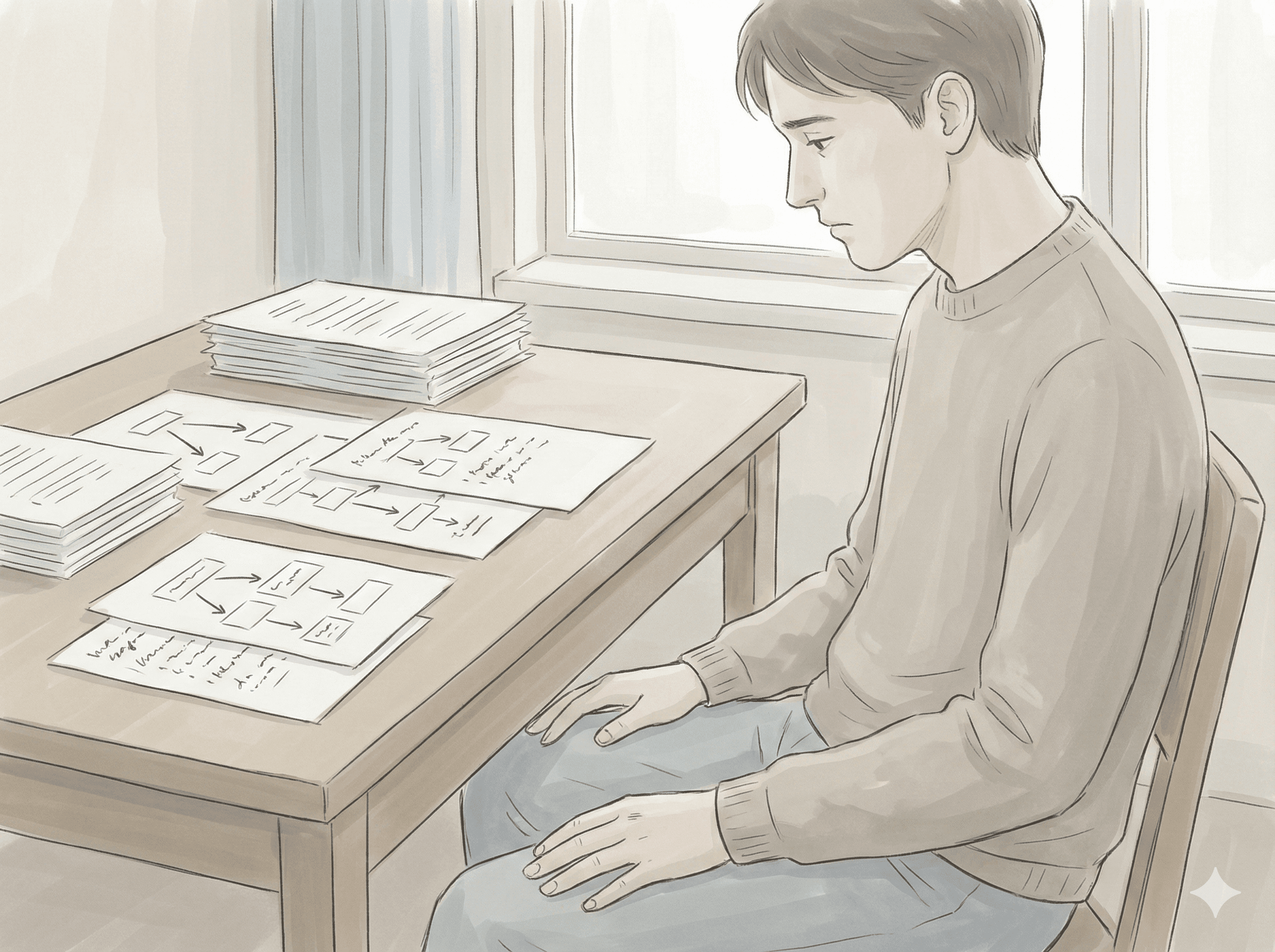
AI doesn’t fail at giving advice. It fails at telling you what deserves your life.
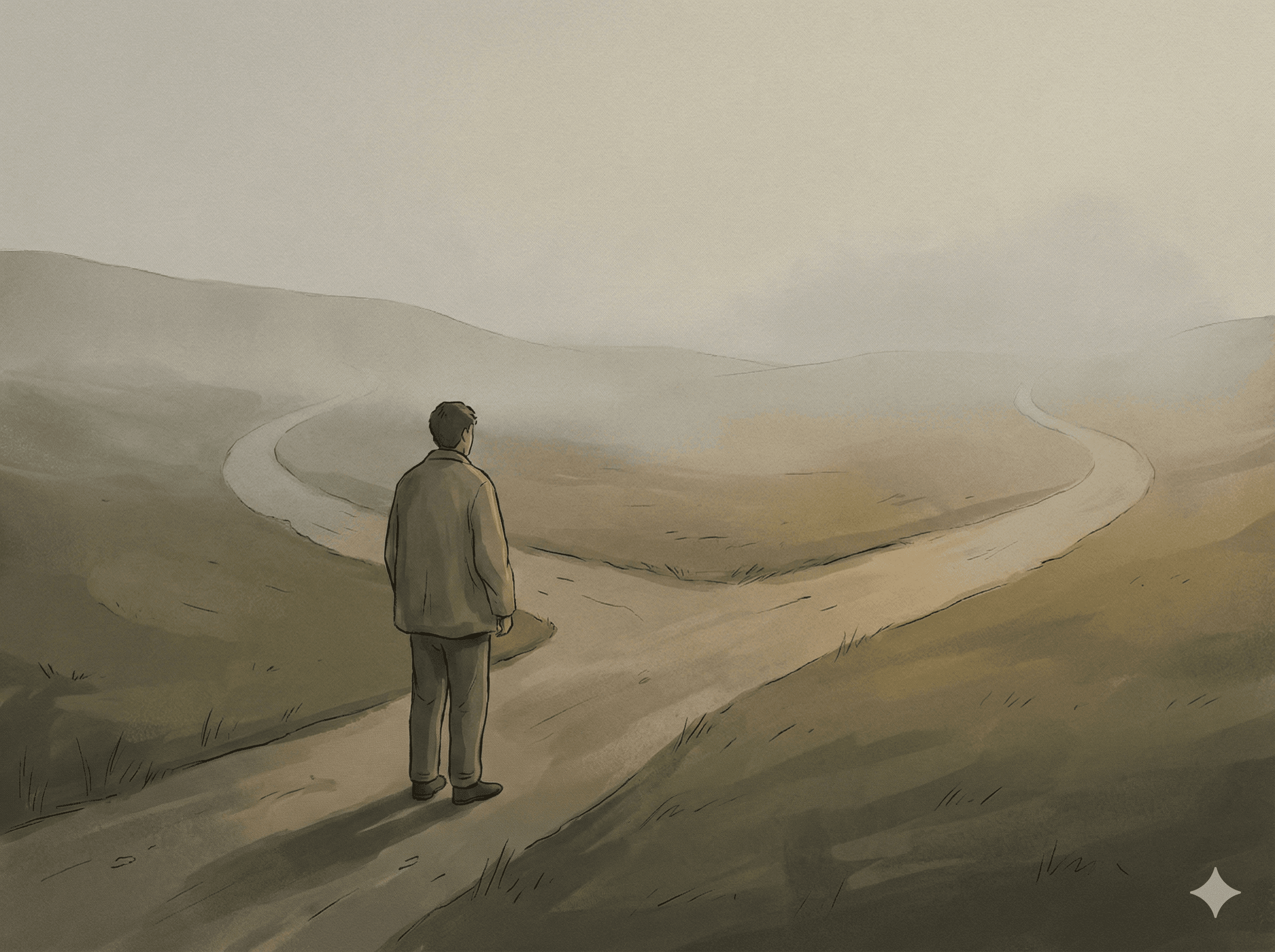
AI didn’t remove hard decisions. It just made it obvious when I was trying to avoid owning them.
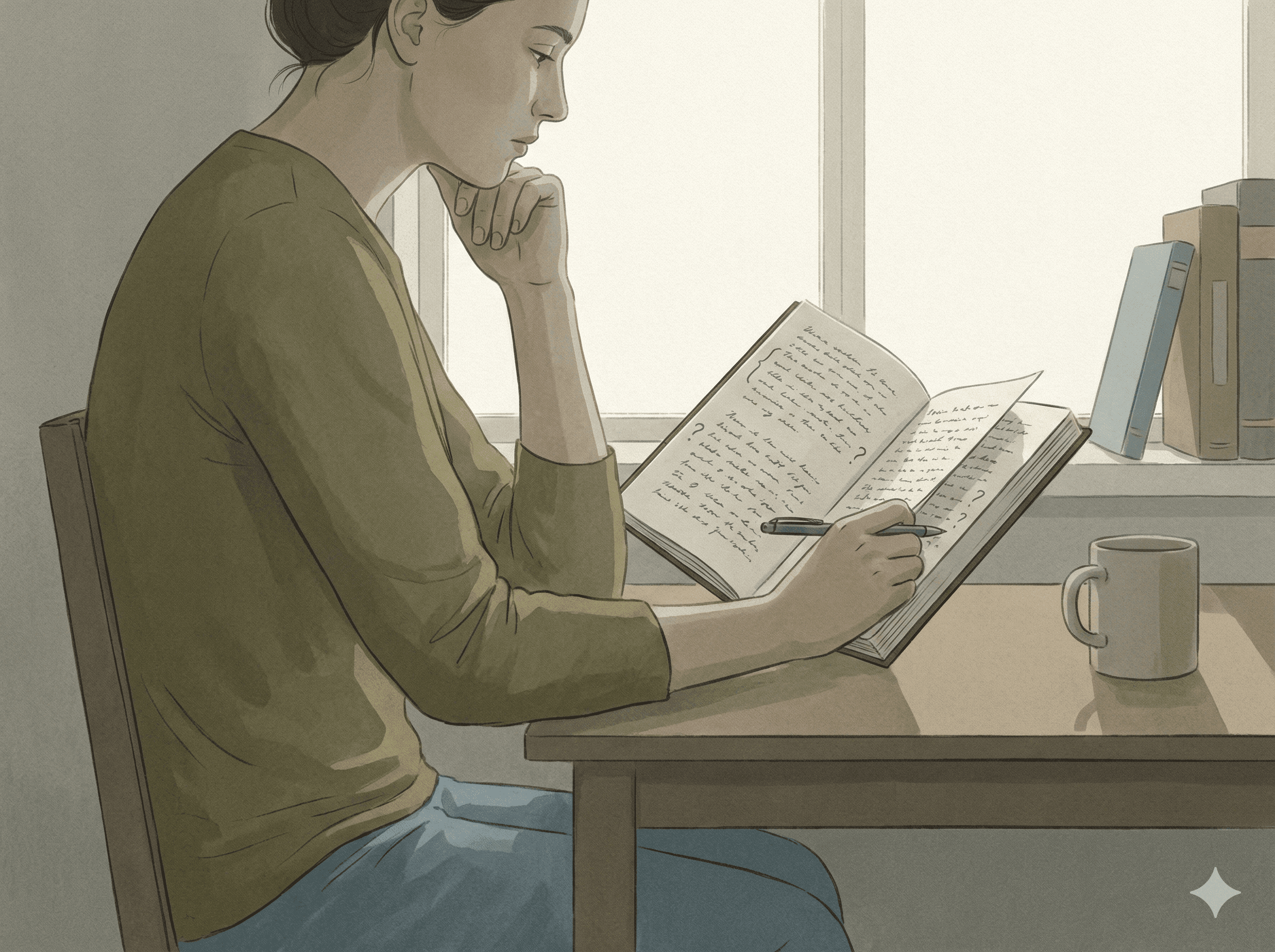
AI doesn’t make writing generic. It exposes when you haven’t decided what you actually believe.
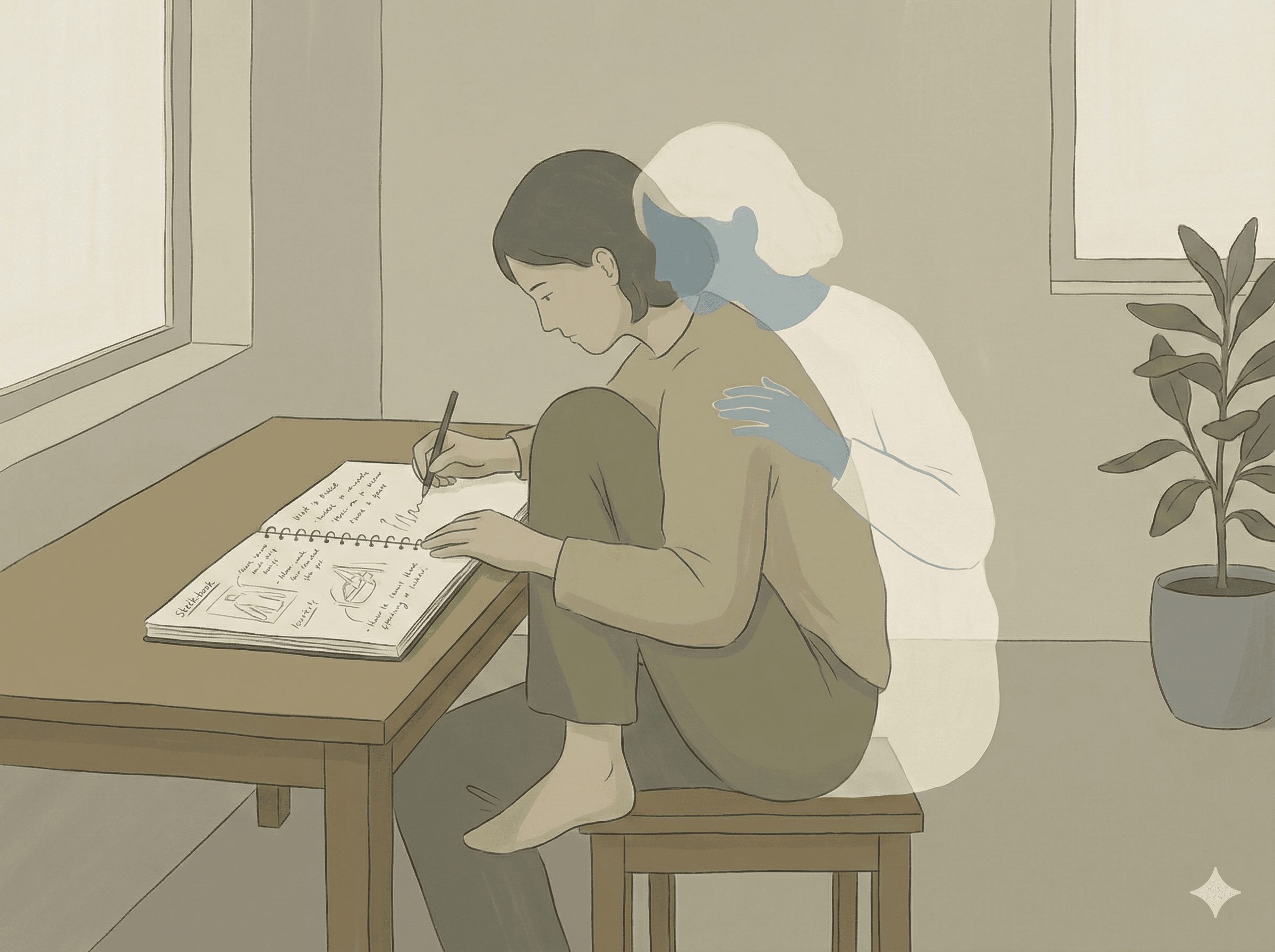
AI works best when it reacts to your thinking, not when it replaces it. A reflection on using AI as a second brain, not a first.
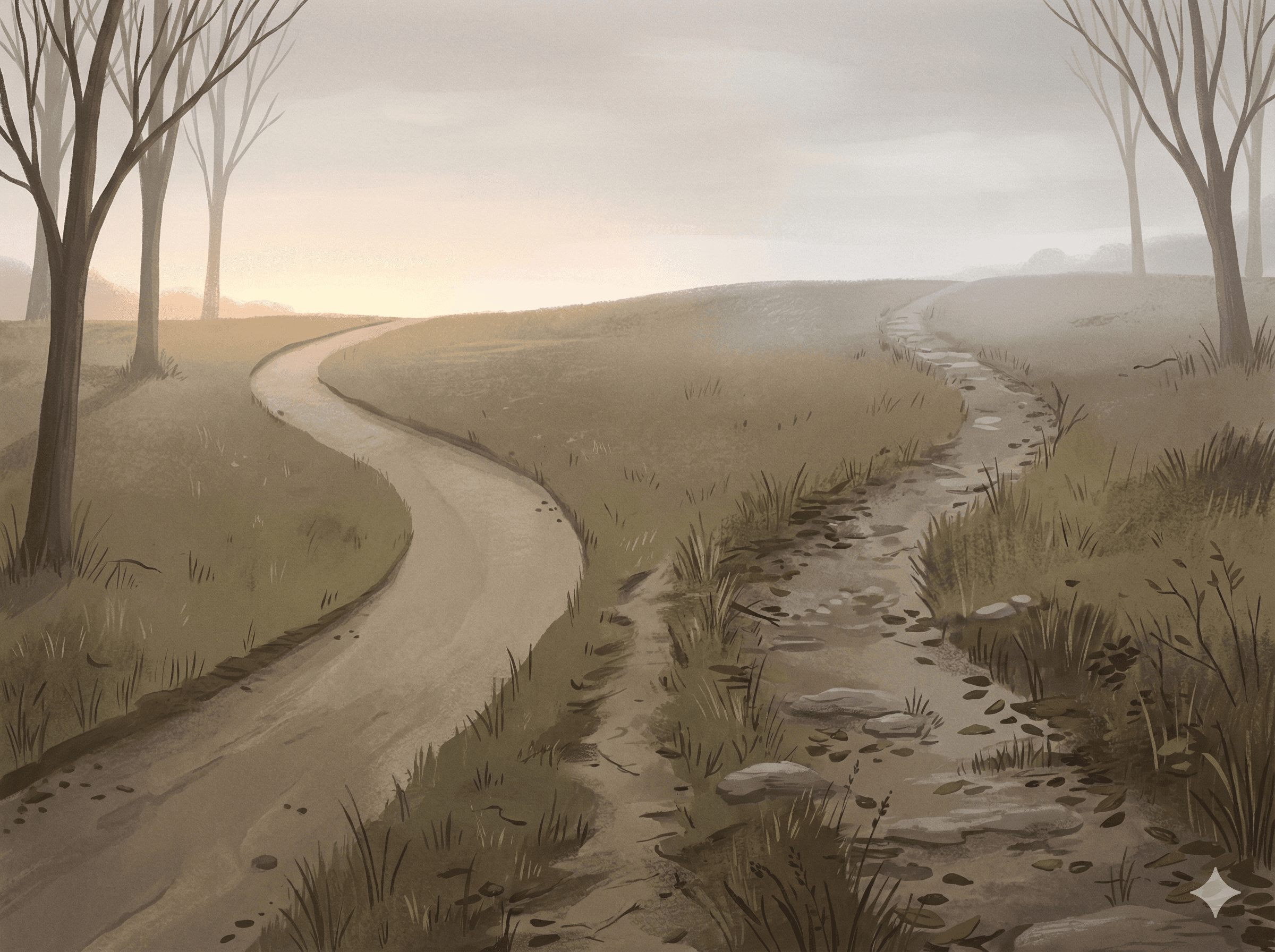
AI doesn’t level the playing field. It amplifies what’s already there—and makes the cost of how you learn show up faster.
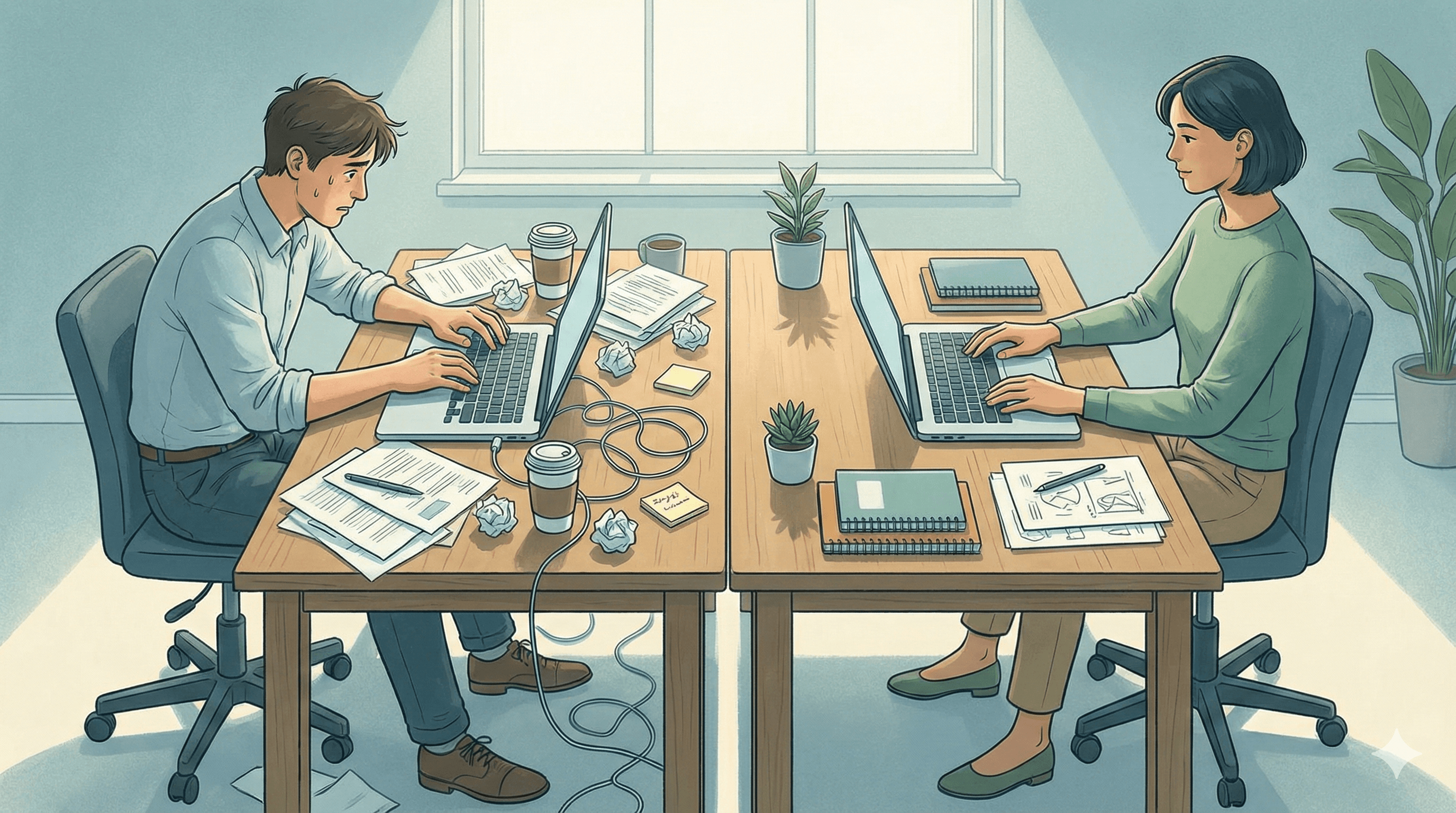
AI isn’t about prompting better—it amplifies experience, judgment, and earned context.
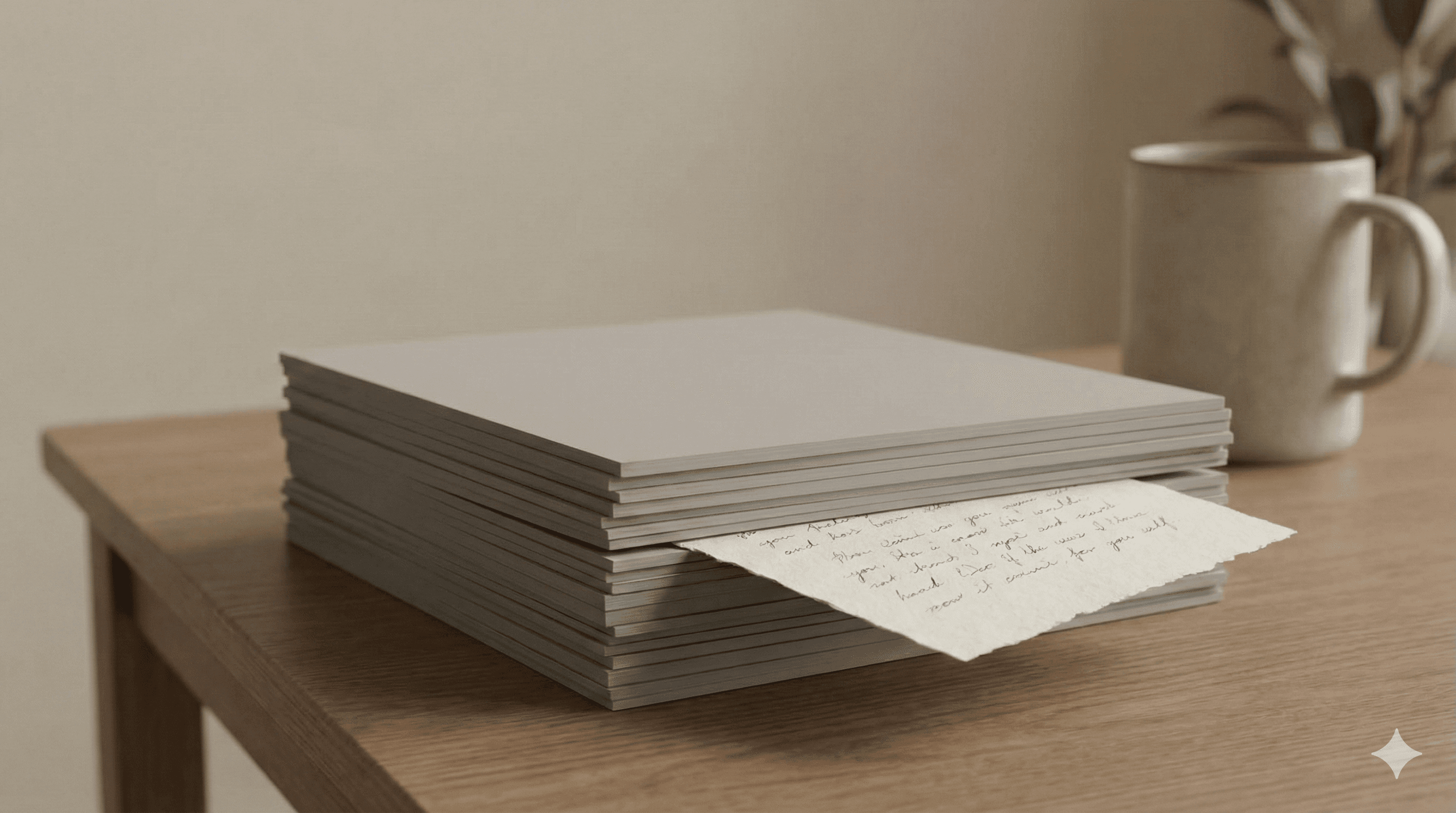
Why relying on AI too early made my work sound replaceable—and how originality actually forms through discomfort and judgment.

Why using AI as a shortcut for answers slowly weakened my thinking—and how changing one habit made it useful again.
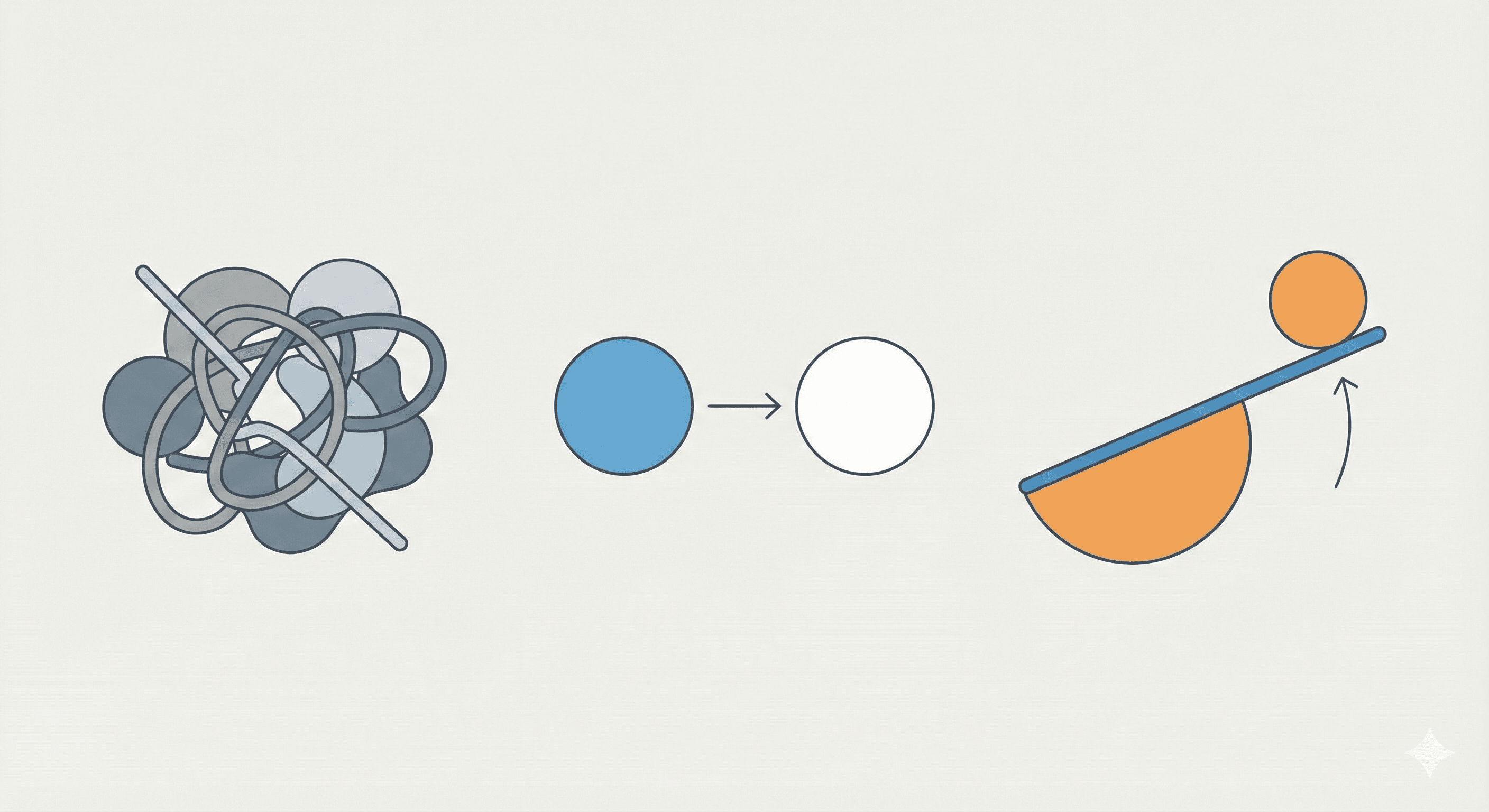
AI tools aren’t failing most people — unclear thinking is. A personal reflection on why AI only works after you do the hard thinking.