
AI Is Everywhere — But Something Felt Off
AI is everywhere right now. Every single week, there’s a new app promising to “revolutionize” your workflow or save you ten hours a week.
Like everyone else, I jumped in headfirst.
I tried a dozen different tools, honestly expecting my workload to just… disappear.
But it didn’t happen.
The tools worked. They were fast. On paper, they were impressive. But I didn’t feel more productive—if anything, I felt busier and more frustrated.
It took me a while to realize something uncomfortable:
The problem wasn’t the tools.
It was my expectations.
I Thought AI Was a “Magic Button”
My early mistake was simple: I treated AI like a done button.
I thought I could put something in, press enter, and get a finished masterpiece. I’d feed it vague prompts and wait for something brilliant to come out.
But I’ve learned that AI doesn’t replace thinking—it reacts to it.
When my instructions were lazy, the output was generic.
When I wasn’t clear about what I wanted, the AI was just as lost as I was.
At first, I blamed the technology. Later, I realized the AI was just acting like a mirror—reflecting my own lack of clarity right back at me.
AI Doesn’t Create Clarity — It Exposes the Lack of It
Whenever I got a boring or robotic answer, my first thought was:
“This tool is overrated.”
But looking back, the pattern was obvious.
My prompts were half-baked.
My goals weren’t defined.
And the biggest issue? I didn’t actually know what a good result looked like.
AI wasn’t failing me—it was highlighting that I hadn’t done the thinking upfront.
The “Aha!” Moment
At one point, I asked an AI to “write a good email.”
The result was… fine.
Polite. Professional. Completely soul-less.
The kind of email you read once and immediately forget.
So I tried again.
This time, I explained:
- Who I was writing to
- Why I was nervous about the conversation
- The exact tone I wanted to strike
The difference was night and day.
Same tool. Completely different outcome.
That’s when it clicked:
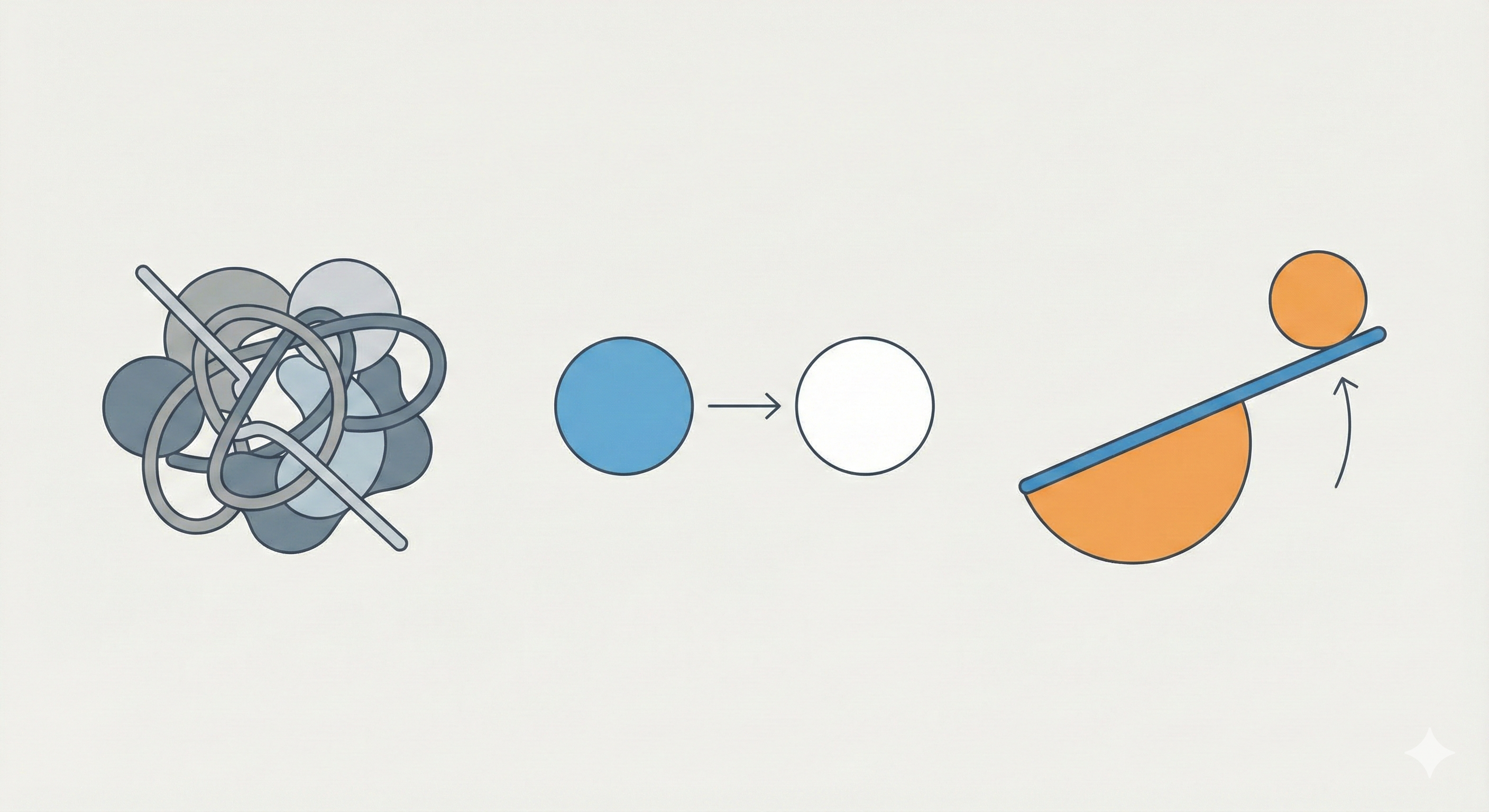
AI works best after you’ve already done the heavy lifting in your head.
Why Most People Quit After a Week
I think this is why so many people give up on AI tools quickly.
They expect instant leverage without providing any context.
But AI can’t give you:
- Taste
- Judgment
- Experience
- An understanding of what your audience actually cares about
It only accelerates what’s already there.
If you have no direction, AI just helps you get nowhere faster.
More Tools Didn’t Help Me Either
I also fell into the trap of app hoarding.
When one tool didn’t click immediately, I assumed the solution was to try another one.
Suddenly, I had:
- Multiple writing assistants
- Productivity dashboards
- Automation tools
And zero clarity.
It was just noise.
What actually helped was the opposite: using one tool intentionally with a clear process.
You don’t need a better tool.
You need a better way of thinking about the work you’re doing.
The Questions I Ask Now
Instead of scrolling for the next “best” tool, I’ve started asking myself a few simple questions:
- What problem am I actually solving here?
- Which part of this needs my human judgment?
- Where can AI remove the tedious work after I’ve made the big decisions?
That small shift changed how useful AI felt almost immediately.

I’m Still Figuring This Out
I’m not writing this as an AI expert.
I’m just someone who’s tired of the hype and still learning through trial and error.
Most AI content online feels very polished and confident.
Real learning isn’t like that.
It’s messy.
It’s slow.
And it involves being wrong more than once.
Final Thought
AI isn’t intelligence; it’s leverage.
And leverage only works when you already have a solid place to stand.
I’m still figuring out where to stand—but at least now I know what the tools are actually for.