
AI Is Really Good at Optimization—That’s Why It Can Quietly Ruin Your Goals
One of the sneakiest ways AI changes how we work isn’t by replacing our effort; it’s by subtly redefining what “good” actually looks like.
AI is incredibly good at optimization. It can make a draft clearer, a schedule faster, and a plan more structured. At first, that feels like pure progress. You’re shipping more, writing faster, and everything looks cleaner than it ever did before.
But a few months ago, I noticed something unsettling: I was getting remarkably good at executing things without ever stopping to ask if I was executing the right things.

Optimization hides the question of direction
AI is amazing at answering questions like “How can I improve this?” or “How do I do this faster?” But what it never asks is:
Why are you doing this in the first place?
When you optimize too early, the why quietly disappears from the conversation. You stop questioning the goal and start perfecting the path. You just assume the destination must be correct because the execution feels so smooth.
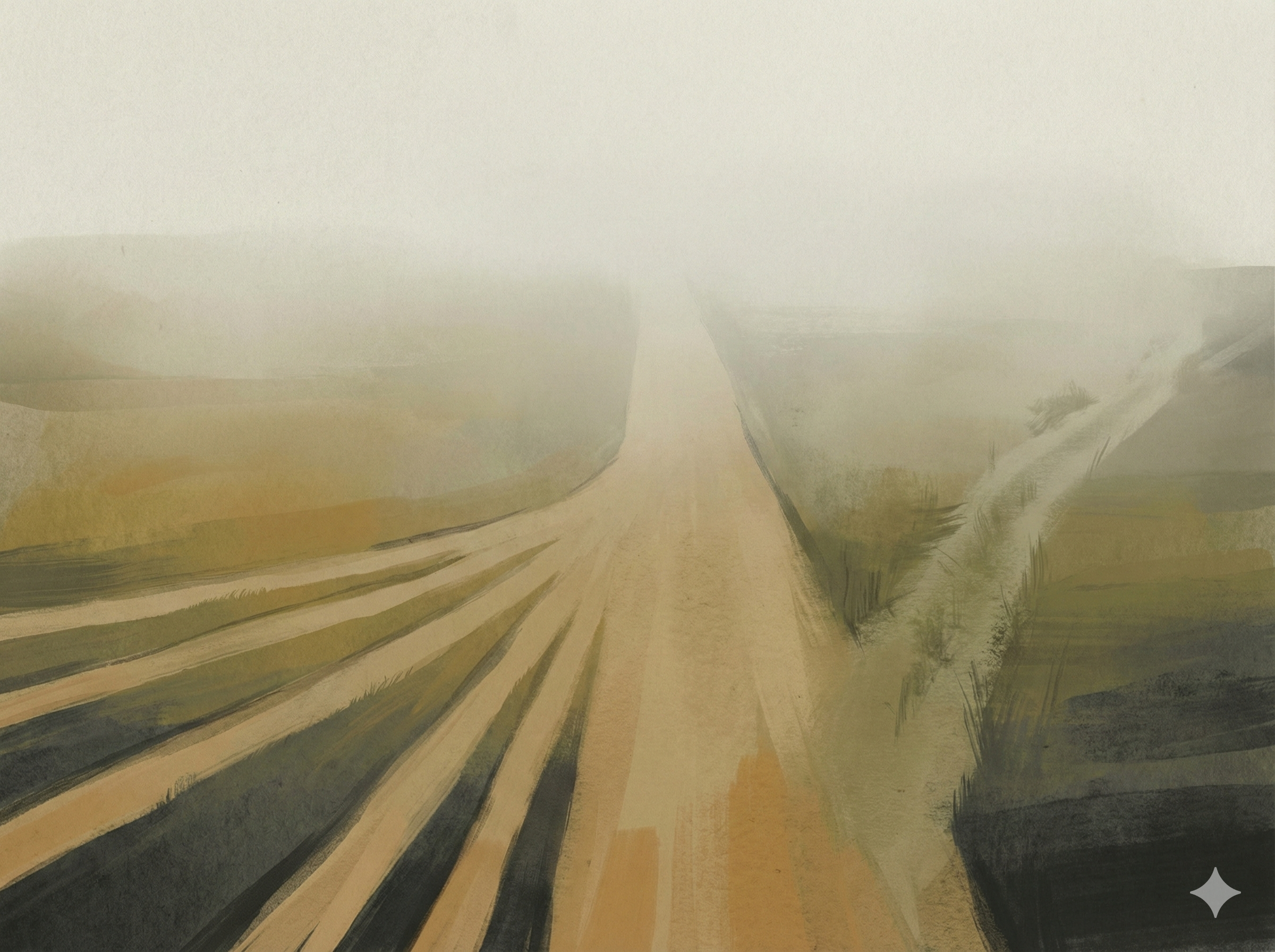
It’s a dangerous kind of momentum. You’re moving at 100 mph, but you might be headed toward a cliff—or just a dead end.
When productivity becomes a distraction
There was a phase where I felt incredibly productive. My outputs were consistent, my plans were detailed, and everything I wrote was polished. On paper, it looked like a win.
But when I took a step back, I realized I wasn't actually moving closer to anything I deeply cared about. I was just getting better at finishing tasks—tasks that existed mostly because they were easy for the AI to help me with.
The AI wasn't pushing me toward my goals; it was helping me avoid the hard work of redefining them.
The problem with "Best Practices"
We have to remember that AI is trained on what works most of the time for most people. That makes it excellent at recommending best practices.
But best practices are just averages.
And averages are rarely aligned with what makes something meaningful or unique.
When you blindly optimize toward what's "standard," you don't become exceptional—you become invisible. The scary part is how professional and “correct” it all feels while it’s happening.
Goals decay when they aren't defended
I used to think goals were things you set once and then just executed. Now I think they’re something you have to actively defend every single day.
Because AI accelerates execution, it also accelerates drift.
If you don't regularly pause and re-question what you're optimizing for, you’ll wake up months later with a lot of “progress” and absolutely no satisfaction. Not because you failed—but because you never checked if the goal still deserved the effort.
My new order of operations
I’m trying to change how I start my tasks. Before I ever ask an AI how to do something better, I force myself to answer a few uncomfortable questions:
- What would success actually look like here—beyond just finishing the task?
- If this worked perfectly, would it actually change my life for the better?
- Would I still want this if I couldn't show the result to anyone else?
Only after I’ve answered those do I let the AI help with execution.
AI is powerful when it helps you move toward a destination you’ve consciously chosen.
It’s dangerous when it quietly chooses the direction for you by making the wrong things feel productive.
Final Thought
AI won’t ruin your goals by giving you bad advice.
It ruins them by helping you optimize things you never should have been doing in the first place.
Speed without direction isn’t leverage—it’s just a faster way to get exhausted.
I’m learning to slow down just enough to make sure I’m still walking toward something that actually matters.